
How Often Should Your Dog Visit a Groomer and Why Home Bathing Is Not Enough
Regular grooming is not only about a beautiful haircut. It helps maintain a healthy coat, clean skin, your dog’s comfort, and prevents problems that owners often notice too late.
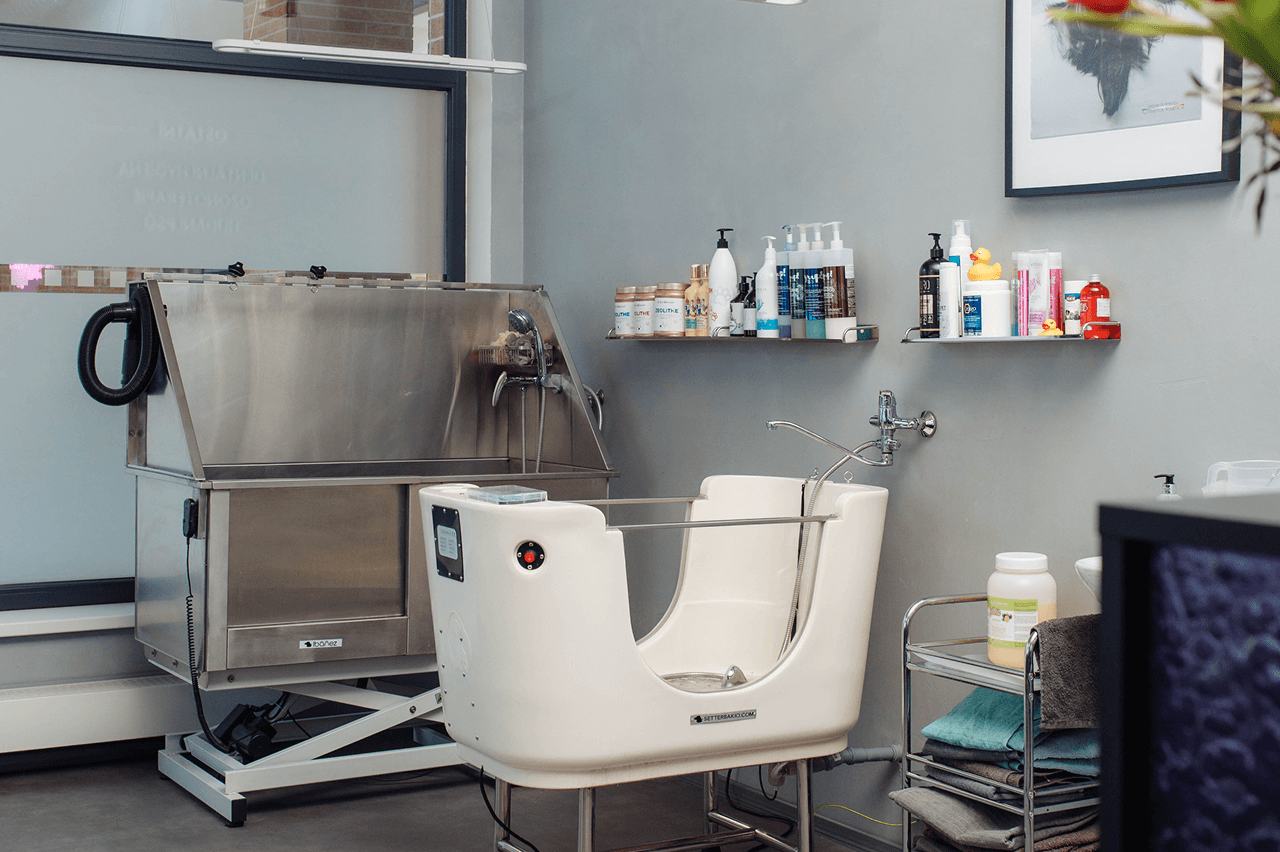
Grooming Is Not a Luxury. It Is Regular Health Care for Your Dog.
Many owners see grooming mainly as a haircut or a bath before an important occasion. In reality, professional grooming is part of long-term care for your dog’s health and comfort. The coat protects the skin, helps regulate body temperature, and for many breeds requires regular maintenance to keep its natural function.
When the coat is not brushed, washed with suitable cosmetics, and maintained according to the breed and coat type, it can begin to mat. Mats do not only pull on the hair; they also pull on the skin. The dog may become nervous, sensitive to touch, and in some cases irritated skin, parasites, or inflammation can hide underneath the tangled coat.
How often is grooming needed?
There is no single universal answer for every dog. The ideal grooming frequency depends on coat type, age, lifestyle, skin sensitivity, and how regularly the coat is maintained at home.
Recommended grooming frequency by coat type
- ✓ Long-haired breeds: usually every 4 to 6 weeks
- ✓ Curly and non-shedding coats: ideally every 4 to 8 weeks
- ✓ Double-coated breeds: regular brushing depending on the shedding season
- ✓ Short-haired dogs: hygiene care, bathing, and skin checks as needed
- ✓ Puppies: first introductory visit from around 3 months of age
Why Home Bathing Is Not Enough
Home bathing can be useful, but it does not replace professional grooming. A salon visit is not only about washing the coat. A groomer checks the condition of the skin, ears, nails, paws, coat, and the animal’s overall comfort. Proper cosmetics, thorough drying, and correct work with the undercoat are essential for a good result.
One common mistake is insufficient drying after bathing. Moisture remaining close to the skin can lead to unpleasant odour, irritation, or itching. In long-haired and dense-coated dogs, damp coat also mats more easily.
When not to wait for the next scheduled visit
If you notice a change in your dog’s behaviour, excessive scratching, odour, greasy coat, mats, or sensitivity to touch, it is better to contact the salon earlier. Early care is always gentler than solving a problem that has been developing for several weeks.
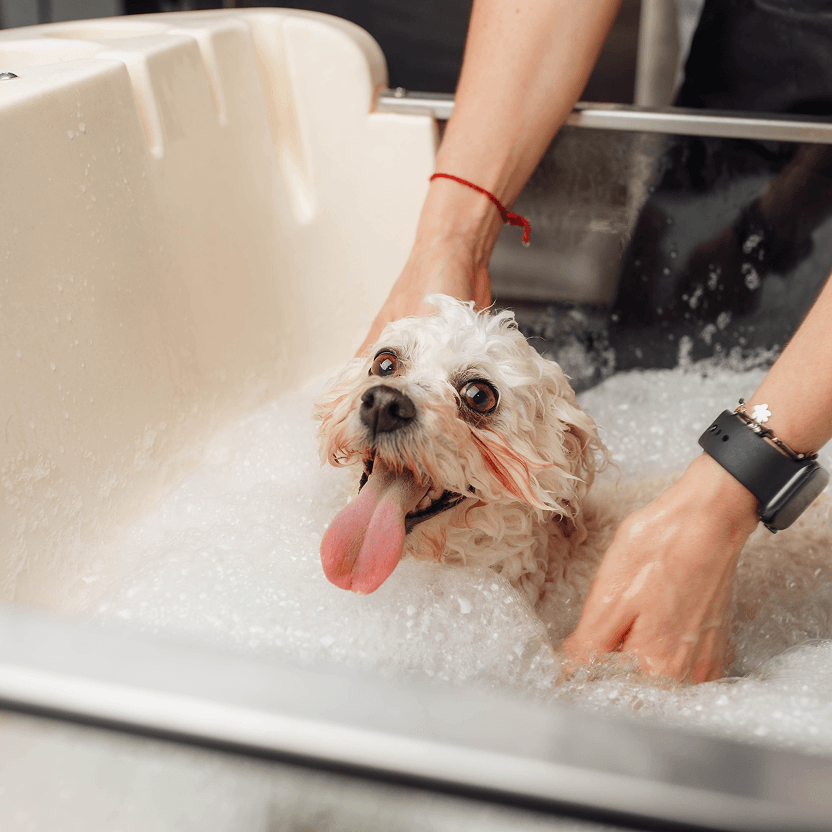
“Proper grooming is not about changing a dog beyond recognition. It is about respecting their coat, skin, comfort, and natural needs.”
How to Recognize a Good Grooming Salon
A good salon should not ask only about the desired haircut. It should also be interested in the coat condition, the dog’s behaviour, grooming routine, previous experiences, and any health or skin concerns. A professional groomer can explain why certain styles are not suitable and when a particular cut could damage the coat rather than help it.
At Pet’s & Spa, we approach every animal individually. We do not work by the principle of “as fast as possible,” but according to what is safe, gentle, and long-term healthy for each dog.
Summary
Regular grooming saves time, stress, and supports your dog’s health. It helps prevent matting, supports healthy skin, and keeps the coat in good condition. The best frequency of visits always depends on the coat type, lifestyle, and individual needs of each pet.